DIY vs. Professional Siding Installation: What to Know
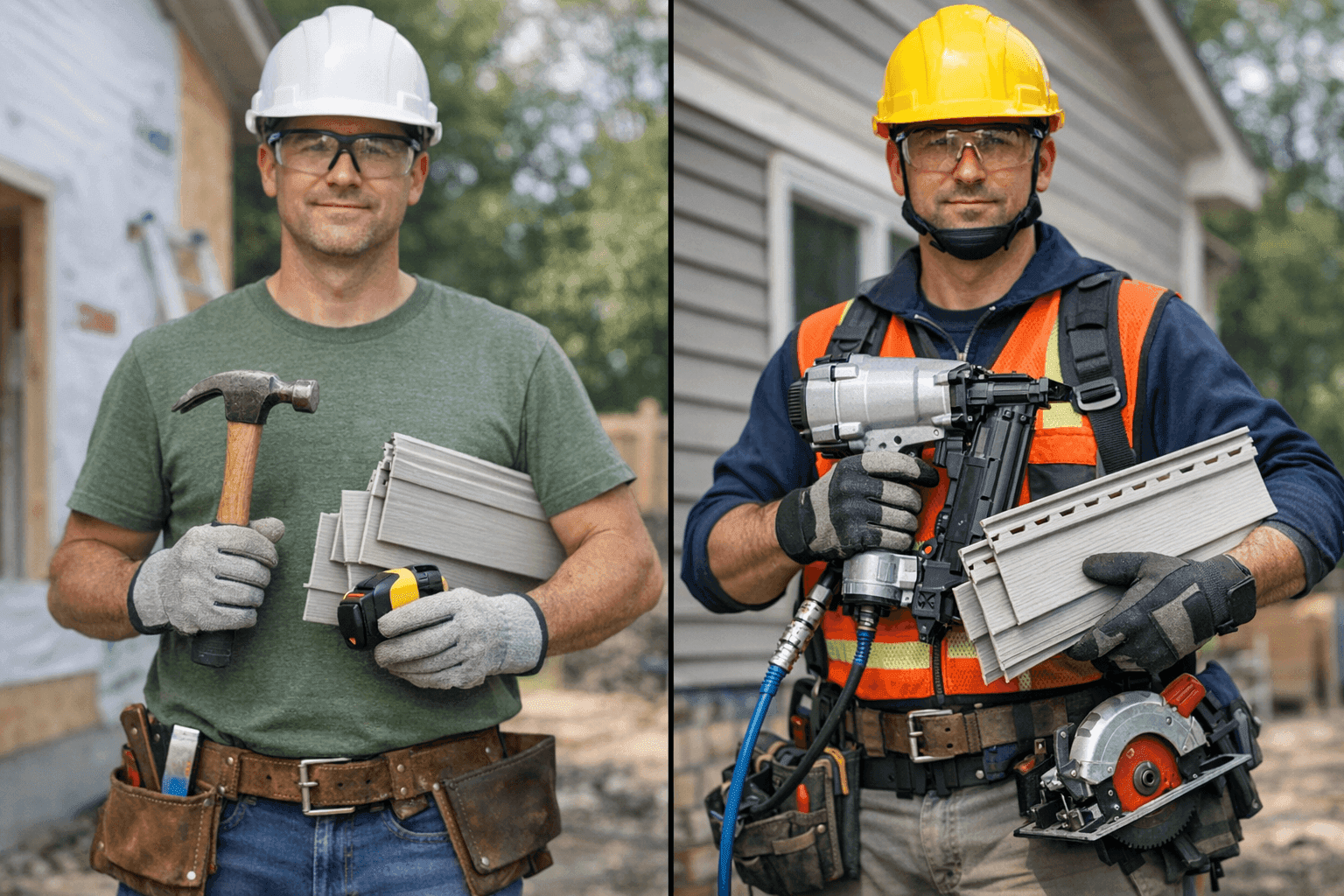
Are you staring at faded, cracked siding and wondering, “Can I just do this myself?” Maybe you’ve watched a few videos. Maybe you’ve tackled home projects before. But siding is more than curb appeal—it’s the shield protecting your home or business.
Deciding between grabbing your own toolbox or hiring seasoned pros isn’t just about saving money. It’s about safety, longevity, and the comfort of knowing your investment is solid. Here’s what every property owner should consider.
DIY Siding: What’s Involved? 🛠️
Taking on siding installation yourself seems tempting—especially with so many online tutorials. But siding isn’t like painting a wall or planting shrubs. It’s more like piecing together a waterproof puzzle on a ladder, sometimes two stories off the ground.
Skills Needed
- Precision measuring and cutting
- Handling power saws and nail guns
- Understanding weatherproofing techniques
- Reading manufacturer install guides
- Comfort with heights and ladders
Tools You’ll Need
- Circular saw or siding-specific shears
- Hammer or pneumatic nailer
- Level, chalk line, and tape measure
- Ladders or scaffolding
- Safety gear: gloves, goggles, hard hat
Time Commitment
- For a small home, expect at least several full weekends.
- Large or multi-story structures can take weeks—especially solo.
- Weather delays add unpredictability.
Common DIY Pitfalls
- Gaps or overlaps that let in water or pests
- Uneven lines or panels
- Skipped flashing and venting steps
- Voided warranties due to improper install
According to the International Code Council (ICC), improper siding installation is one of the top causes of water intrusion and rot. Even a small mistake can lead to big repairs down the road.
Professional Installation: What You Get
When you hire experienced siding installers, you’re not just paying for labor. You’re investing in know-how, speed, and peace of mind. Professionals have seen (and fixed) it all—buckled boards, storm damage, and tricky corners that stump even seasoned DIYers.
What Pros Bring to the Table
- Trained crews and specialized equipment
- Up-to-date knowledge of local codes and building standards
- Fast, efficient workflow—often just a few days for an average home
- Proper wall prep, moisture barriers, and flashing
- Seamless integration with soffit, fascia, and trim
- Access to a wider range of materials and finishes
Warranty and Ongoing Support
Most professional installations come with manufacturer-backed warranties—protection you typically lose with DIY. If something goes wrong, there’s a clear path for repair or replacement.
Code Compliance
Local building codes aren’t just red tape. They exist to ensure your siding can stand up to wind, rain, and temperature swings. Professional crews pull permits, work to code, and schedule inspections, reducing your legal and financial risk.
Cost & Risk Comparison
Let’s talk numbers and realities.
DIY Costs
- Materials purchased at retail (sometimes less selection)
- Tool rental or purchase
- Disposal fees for old siding
- Potential for costly mistakes and rework
Professional Costs
- Labor and expertise included in the estimate
- Access to better pricing on bulk materials
- Faster turnaround—less disruption to your life or business
- Ongoing support and maintenance options
Hidden Risks of DIY
- Injury from ladders, power tools, or falling debris
- Water intrusion leading to mold or structural issues
- Decreased property value from poor aesthetics or code violations
- Insurance claim complications after storms or accidents
Quick Safety Checklist
Before you go DIY, consider:
- Do you have fall protection gear?
- Is your ladder rated for your weight and height needs?
- Have you checked for lead paint (pre-1978 homes)?
- Are you familiar with OSHA guidelines on construction site safety?
- Do you have a helper for lifting and steadying panels?
If you answered “no” to any of these, it’s wise to pause and reassess.
Timeline & Disruption
DIY jobs almost always take longer than planned. Weather, surprise rot, or just running out of daylight can stretch projects for weeks. That means your home may be exposed to the elements, and your routine gets interrupted.
Professional installers, on the other hand, show up with a plan, a crew, and the clock running. For most homes, siding is up and sealed in just a few days—rain or shine.
Materials & Equipment: Not All Siding Is Created Equal
You might be eyeing vinyl, wood, fiber cement, or even metal. Each material has its quirks. Some need precise nailing patterns. Others warp if installed too tight. Matching new siding to existing trim, flashing, or insulation takes a practiced eye.
Pro tip: Always check manufacturer guidelines for your chosen product. Improper install can void warranties and shorten lifespan.
If you’re considering something custom—maybe a bold new color or a specialty profile—it pays to consult with a specialist. J.B. Siding offers custom siding solutions for homeowners and businesses looking to stand out.
When It’s an Emergency
Storms, hail, or accidental damage don’t wait for your free weekend. Emergency siding repairs need fast, safe work—often with temporary weatherproofing. Professionals are equipped for these situations, minimizing further damage and keeping your property secure.
Prevention & Maintenance Tips
- Inspect siding annually for cracks, warps, or loose panels.
- Clean surfaces with mild soap and water—avoid pressure washers on delicate finishes.
- Re-caulk joints and seams as needed.
- Trim shrubs and trees away from siding to prevent moisture buildup.
- Check gutters and downspouts to divert water away from walls.
A siding consultation is the fastest way to catch small issues before they turn into big repairs.
Signs It’s Time to Call a Pro
- Persistent leaks or water stains inside
- Soft or spongy walls when pressed
- Visible mold or mildew around siding seams
- Unexplained spikes in heating or cooling bills
- Siding panels buckling, warping, or detaching
If you notice any of these, don’t wait. Damage multiplies quickly, especially in harsh weather.
Common DIY Mistakes to Avoid
- Skipping the vapor barrier or flashing
- Using the wrong nails or fasteners
- Ignoring expansion gaps (especially with vinyl)
- Cutting corners on wall prep
- Forgetting to check for utility lines behind walls
Mistakes like these can invite headaches—and sometimes, they aren’t easy to fix without starting over.
Siding for All Seasons
Think ahead: Will your siding stand up to your region’s humidity, frost, or heat? Some materials perform better in certain climates. Professionals can help you pick the right product for long-term performance.
For property owners searching for "New Construction Siding near you," J.B. Siding offers solutions that fit your climate and style—see options in our Goose Creek siding services.
Code & Permit Considerations
Don’t overlook local requirements. Many municipalities require permits for siding replacement or major repairs. Pros handle this as part of the job; DIYers need to research and apply on their own.
Check your local building department or the International Residential Code (IRC) for the latest standards.
Making the Right Choice
DIY can be rewarding, but siding is a critical line of defense for your property. If you have the skills, tools, and time, it may be worth the challenge. But for most homeowners and business owners, hiring a professional means less risk, higher quality, and lasting peace of mind.
Still not sure which path to take? Consult with a reputable siding company—like J.B. Siding—for honest, practical advice.
Call J.B. Siding now — or reach us anytime at 855-598-5177 .