How to Clean and Maintain Siding for Lasting Curb Appeal
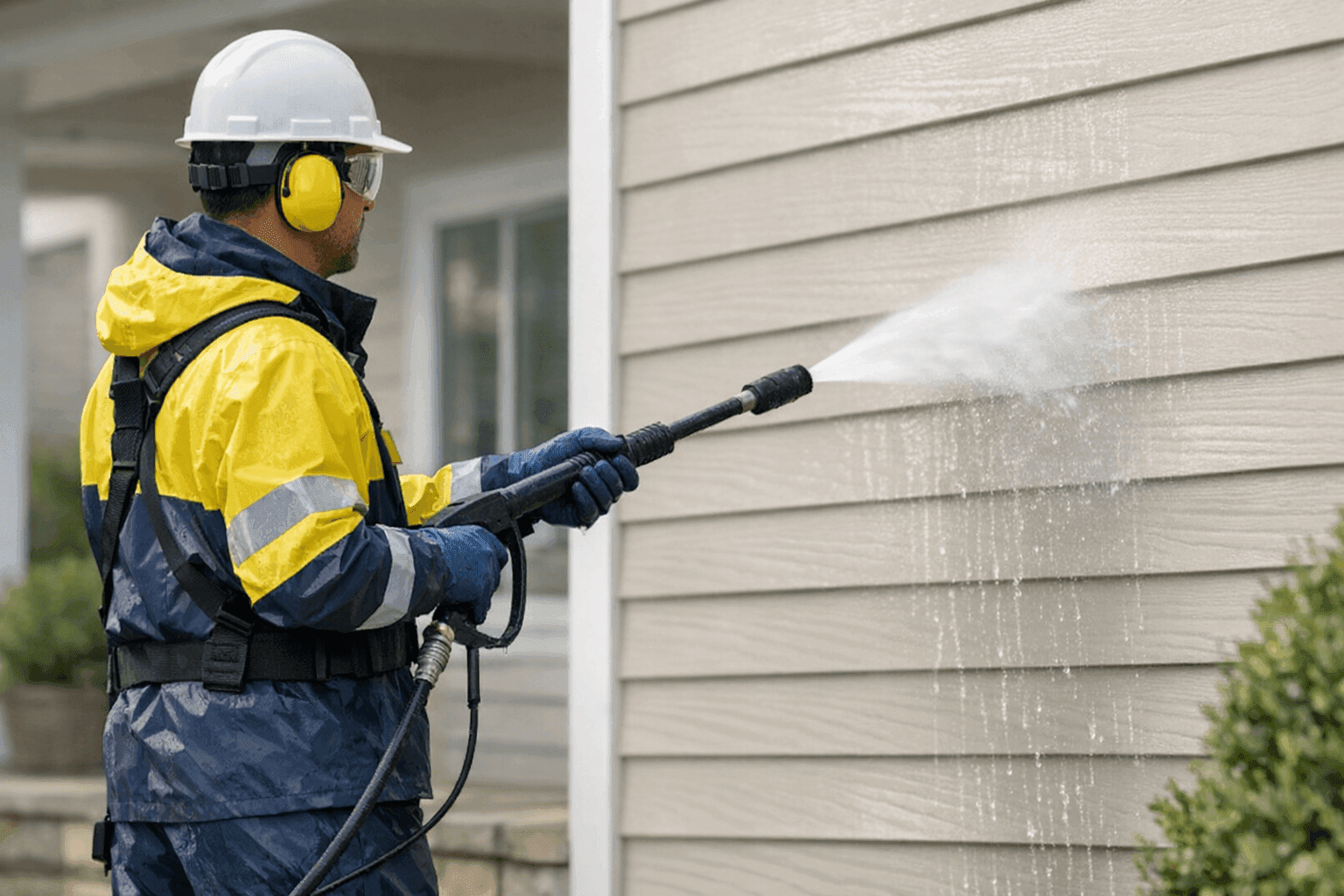
Keeping your siding clean isn’t just about pride or curb appeal—it’s about protecting your investment. At J.B. Siding, we’ve seen what happens when exterior care slides: costly repairs, stubborn stains, or even hidden structural issues. If you want your property—residential or commercial—to stand out and last, regular siding maintenance is non-negotiable.
Let’s cut through the noise and get straight to what actually works. This guide walks you through cleaning, schedules, safety, and how to keep every type of siding in top shape, for years to come.
Why Clean Siding Matters
First impressions stick. When your siding sparkles, neighbors notice. More importantly, clean siding tells you what’s really going on with your exterior. Dirt and algae can hide cracks, holes, even pest infestations.
Regular cleaning is like spring cleaning for your home’s skin. It keeps moisture out, helps paint last, and even protects your insulation. According to the International Association of Certified Home Inspectors (InterNACHI), neglected siding is a leading cause of water damage and mold.
Tools & Products for Siding Cleaning 🧽
You don’t need a truckload of gadgets to start. In fact, less is often more—if you choose carefully.
For most jobs:
- Soft-bristle brush or a long-handled brush
- Garden hose with a spray nozzle (pressure washers for some materials)
- Mild detergent (no bleach on wood or fiber cement)
- Buckets and microfiber cloths
- Safety goggles and gloves
For stubborn stains:
- White vinegar and water mix (safe on vinyl, fiber cement, and metal)
- Oxygen bleach (never regular bleach on wood or colored siding)
- Non-abrasive scrub pads
Pro tip: Always check manufacturer recommendations for your siding type. Harsh cleaners can void warranties or cause permanent damage.
Safe Cleaning Techniques
Every siding material has its own personality. What works for vinyl could ruin wood or stucco. Here’s how to keep things gentle but effective:
Vinyl Siding
- Start from the bottom and work up, rinsing as you go to avoid streaks.
- Use a soft brush and mild soap. For mold, try a vinegar solution.
- Pressure washers are okay—on low setting, with a wide nozzle, and from a safe distance.
Wood Siding
- Gentle is key. Use a soft brush and wood-safe soap.
- Avoid pressure washers unless you’re experienced; too much force splinters wood.
- Rinse thoroughly to prevent residue.
Fiber Cement
- Use a garden hose and soft cloth; avoid pressure washers if possible.
- Clean with gentle detergent—no harsh chemicals.
Stucco Siding
- Gently brush off dust and dirt.
- Use a mild detergent and water; rinse with low-pressure spray.
- Watch for cracks—cleaning is a good time to spot repairs.
Metal Siding
- Hose off dirt first, then clean with a soft brush and soapy water.
- Avoid abrasive pads that can scratch the finish.
- Rinse well to prevent spots.
Maintenance Schedules by Material 📅
How often should you clean your siding? Think of it like changing your car’s oil—regular intervals keep things running smooth.
- Vinyl Siding: Once a year for cleaning; inspect twice a year for cracks or warping.
- Wood Siding: Clean and inspect every 6–12 months. Repaint or reseal every 3–5 years.
- Fiber Cement: Clean yearly; inspect joints and caulking at least annually.
- Stucco: Clean once a year. Check for chips or cracks after storms or seasonal changes.
- Metal Siding: Clean annually; inspect for rust or loose fasteners twice a year.
If your property is near trees, construction sites, or heavy traffic, consider bumping up the frequency.
Preventing Mold and Staining
Mold and mildew love damp, shaded areas—just like weeds in a forgotten garden. Left unchecked, they stain siding and eat away at paint, wood, and even caulk.
Prevention tips:
- Trim shrubs and trees to boost sunlight and airflow.
- Fix leaky gutters or downspouts promptly.
- Slope soil away from your foundation.
- Use mold-resistant caulk or paint (especially on wood and stucco).
- Clean off leaves, pollen, and bird droppings quickly—they trap moisture.
Regular cleaning interrupts the cycle, keeping your siding dry and inhospitable to mold.
Quick Safety Checklist Before You Start 🛑
- Wear eye protection and gloves.
- Use stable ladders—never overreach.
- Turn off outdoor power outlets nearby.
- Test cleaning solutions on a small, hidden patch.
- Avoid mixing chemicals—some combos (like bleach and ammonia) can create dangerous fumes.
If you’re unsure about heights or using a pressure washer, call in a pro.
DIY vs. Professional Siding Cleaning
Some siding jobs are a perfect weekend project. Others? Not so much. Here’s a rule of thumb:
DIY if:
- Your siding is ground-level or safely reachable.
- You have the right gear and time.
- There’s light dirt, mild mildew, or you’re just doing routine upkeep.
Call a professional if:
- There’s extensive mold, algae, or staining.
- Your siding is high up, especially on multi-story buildings.
- You spot cracks, warping, or suspect water damage.
- You need repairs, repainting, or specialized restoration.
At J.B. Siding, our team uses industry-approved methods for siding-cleaning, and we spot hidden issues before they become disasters.
What Professionals Do On Arrival
A pro’s eye is trained to see what others miss. We’ll inspect your siding, soffit, and fascia for signs of trouble—cracks, warping, loose panels, or early rot.
We use the right cleaners for your material, adjust pressure washers to safe settings, and protect your landscaping. If we find problems, we’ll recommend next steps—like siding repair or weatherproofing.
Setting Up a Maintenance Routine
Consistency beats intensity. Set a reminder to check your siding every spring and fall. Add a quick rinse after storms or pollen-heavy seasons.
- Schedule annual or semi-annual deep cleans.
- Keep gutters clear to avoid overflow stains.
- Touch up caulking and seals as needed.
- Log any repairs or paint touch-ups in a notebook.
Staying on top of small issues now saves you money—and headaches—down the road.
Seasonal Considerations for Siding Care
- Spring: Clear winter debris, check for freeze-thaw damage.
- Summer: Watch for algae and mold in humid weather.
- Fall: Clean off fallen leaves and pollen; inspect for storm damage.
- Winter: Remove ice dams and check for icicles—these can lead to leaks or cracks.
Extreme weather? That’s when siding needs you most. After a big storm, walk your property and look for trouble.
Common Mistakes to Avoid
- Using bleach on colored or wood siding—this can cause fading and damage.
- Blasting high-pressure water too close—can force water behind panels or crack stucco.
- Skipping safety gear—always protect your eyes, hands, and lungs.
- Ignoring small cracks or holes—these grow fast if left alone.
Signs of Trouble: When to Call for Help
- Peeling paint or bubbling finish
- Warped or buckled panels
- Persistent mold or algae, even after cleaning
- Soft, spongy spots (especially on wood or fiber cement)
- Water stains inside the house (a red flag for leaks)
- Rust spots on metal siding
See any of these? It’s time to call in the pros. Quick action can prevent major repairs or replacements.
Emergency Siding Issues
Storms, falling branches, or sudden leaks? Don’t wait. Emergency siding services exist for a reason—prompt attention limits the damage and secures your home or business.
If you need siding repairs fast, our crew can help with everything from storm damage to urgent siding maintenance needs.
Siding Cleaning FAQ
How often should I clean my siding?
Once a year is standard, but twice if you’re in a shady or dusty area.
Can I pressure wash all types of siding?
No. Vinyl and metal generally tolerate low-pressure washing, but wood, fiber cement, and stucco need gentle treatment.
What’s the safest cleaner for most siding?
Mild dish soap and water, or a vinegar solution for mildew. Always check your manufacturer’s guidelines.
When should I repaint or reseal my siding?
Wood: every 3–5 years. Fiber cement: every 7–15 years. Vinyl: rarely, unless you want a new color.
Who can help with siding in my area?
If you’re searching for “New Construction Siding near you,” visit our Wilmington siding team for dependable service.
Final Thoughts: Protect Your Curb Appeal
Clean siding is more than a chore—it’s your property’s first impression and best line of defense against the elements. A little routine care goes a long way. And if you ever need a hand, J.B. Siding is here with practical solutions for every siding issue.
Call J.B. Siding now — or reach us anytime at 855-598-5177 .