How to Choose an Energy-Efficient Siding Solution
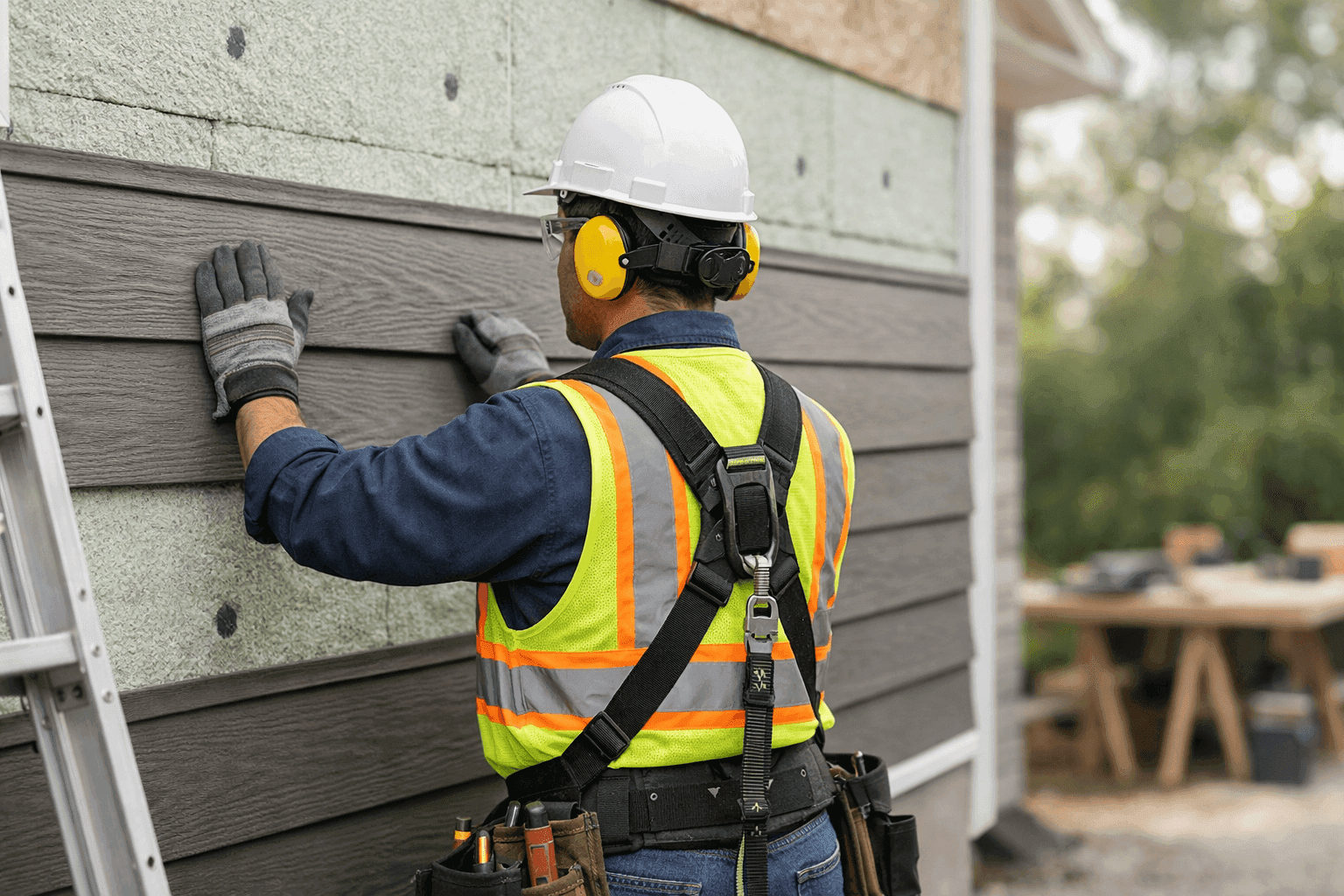
Choosing the right siding is more than just picking a color or style. It’s about comfort, savings, and doing right by the planet. If you’ve ever felt a draft sneak through your walls or watched energy bills climb, you know siding matters.
At J.B. Siding, we help homeowners and businesses navigate the maze of options. Here’s what you need to know to make a smart, future-focused choice.
Why Energy Efficiency Matters 🌱
Energy-efficient siding isn’t just a buzzword. Think of it like wrapping your home or building in a cozy blanket. The right material keeps indoor temperatures steady, cuts down on drafts, and can even hush the roar of busy streets outside.
But it’s not just about comfort. According to the U.S. Department of Energy, about a third of your property’s energy can slip away through poorly insulated walls. Energy-efficient siding helps plug those leaks and keeps your money where it belongs—inside your wallet.
Benefits for Property Value and the Environment
- Boosts resale value: Buyers notice lower utility costs and modern, eco-friendly materials.
- Reduces carbon footprint: Less wasted energy means fewer greenhouse gas emissions.
- Protects against weather extremes: Improved insulation shields against heat, cold, and moisture damage.
- Qualifies for rebates: Many regions offer incentives for sustainable upgrades.
Top Eco-Friendly Siding Materials
Let’s look at the materials making waves in the energy-smart world of siding:
- Fiber Cement: Durable, fire-resistant, and often made with recycled content.
- Engineered Wood: Offers wood’s classic style with better moisture resistance.
- Insulated Vinyl: Comes with built-in foam backing for extra thermal performance.
- Metal Siding: Lightweight, recyclable, and reflects heat—great for hot climates.
- Stucco: Natural, breathable, and can be paired with extra insulation.
- Reclaimed Wood: Each board has a story and keeps usable materials out of landfills.
Every material has trade-offs. Some are better in wet climates, others shine in heat or cold. Learn more about eco-friendly options here.
Certifications: What to Look For
When comparing siding, keep an eye out for labels like ENERGY STAR, GreenGuard, and certifications from the Forest Stewardship Council (FSC). These stamps tell you a product has been tested for energy performance or sustainable sourcing.
Longevity: Siding That Lasts
Eco-friendly doesn’t mean fragile. Many modern siding panels are built to last 30 years or more with proper maintenance. That’s less waste—less frequent replacement—and more value for you.
Insulation and Siding: Better Together
Think of insulation as your home’s secret weapon. Paired with quality siding, it’s like adding an extra layer of protection against the elements. When we install siding, we often recommend evaluating wall insulation at the same time. This combo locks out drafts and keeps temperatures steady.
You can boost energy savings by:
- Adding rigid foam boards behind new siding
- Sealing gaps and cracks before installation
- Choosing insulated siding panels
Looking for expert insulation installation? A professional touch ensures every inch is covered, reducing the risk of hidden leaks.
Cost vs. Savings: The Real Math
Sticker shock is real, but so are the savings. Energy-efficient siding might cost more up front, but like planting a tree, the benefits grow over time. Lower heating and cooling bills, fewer repairs, and even potential tax credits can offset the initial spend.
- Average payback: Many property owners see savings in just a few years.
- Maintenance: Durable siding means fewer replacements and less hassle.
- Insurance: Some materials lower risk and can even reduce premiums.
Siding Material Consultation: The Right Fit for You
Every property is unique. What works for a downtown office might not suit a lakeside cottage. That’s why we offer siding material consultation to help you match your needs, climate, and budget.
Quick Safety Checklist
Before work begins, make sure:
- The area is clear of clutter and pets
- Contractors follow OSHA and local safety codes
- Materials are stored safely, away from heat and moisture
- Protective gear is always used
DIY vs. Call a Pro
Installing insulated or eco-friendly siding isn’t like painting a wall. It takes specialized tools, precise measurements, and know-how. While minor repairs might be DIY-friendly, most installations benefit from a professional’s steady hand.
What Pros Do On Arrival
Expect a thorough inspection. We check for hidden damage, moisture issues, and rot. Then, we walk you through material samples, answer your questions, and create a plan that works for your property and your schedule.
Prevention & Maintenance: Keep Siding Efficient
- Clean siding annually to remove debris and mildew
- Inspect for cracks or gaps after storms
- Touch up paint and caulking as needed
- Schedule regular siding inspections
A little care goes a long way—just like oiling hinges or cleaning gutters.
Costs & Time Factors
- Material selection: High-performance siding may cost more but lasts longer
- Project size: Larger homes or commercial buildings need more time and materials
- Seasonal demand: Spring and summer book up fast; plan ahead for the best timing
When It’s an Emergency
Storms happen. If you notice loose panels, water leaks, or visible damage, don’t wait. Emergency siding services can prevent bigger headaches down the road.
FAQ: What Customers Ask Most
Q: Will eco-friendly siding look good?
A: Absolutely. Today’s materials come in a wide range of styles, colors, and textures.
Q: How long does the installation take?
A: Most residential jobs wrap up within a week. Commercial projects may take longer.
Q: Do I need to leave my home or office?
A: Usually not. We work to minimize disruption so you can carry on with your day.
Seasonal Considerations
Siding isn’t just a summer project. Fall is perfect for installations before winter’s chill sets in. In colder climates, insulated siding can make a noticeable difference in comfort.
Common Mistakes to Avoid
- Choosing siding based on price alone
- Ignoring insulation behind the panels
- Skipping professional consultation
- Neglecting regular maintenance
Signs of Trouble
- Rising energy bills
- Cold spots on walls
- Warped, cracked, or faded siding
- Moisture or mold near window frames
If you spot these, it’s time for a siding checkup.
Timeline & Disruption
- Most jobs are completed in days, not weeks
- Expect some noise, but we keep it tidy and safe
- You won’t be left in the dark—communication is key
Materials & Equipment
We use materials that meet or exceed local building codes, and our tools are designed for precision. Safeguarding your property is always our priority.
Ready to upgrade to energy-efficient siding? Whether you’re building new, renovating, or need emergency repairs, our team is here to help. For high-quality New Construction Siding near you in Eau Claire, call us today.
Call J.B. Siding now — or reach us anytime at 855-598-5177 .