How to Avoid Common Siding Installation Mistakes
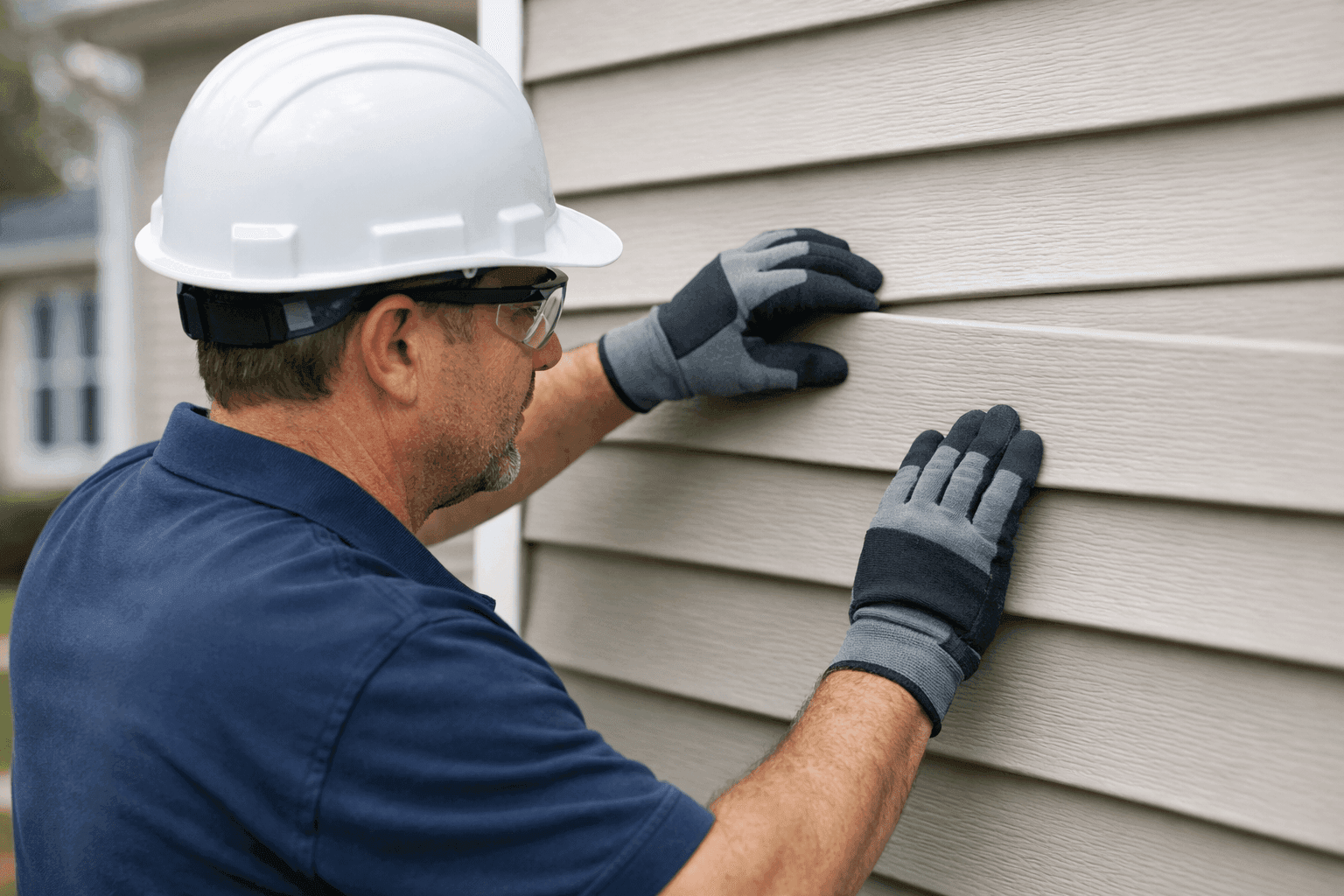
Installing siding isn’t just about making your place look good. It’s about keeping wind, rain, and time itself at bay. One bad move can lead to headaches—from leaks to costly repairs—down the road.
At J.B. Siding, we know how much rides on every nail and panel. If you’re planning New Construction Siding near you or just freshening up your property, knowing what to avoid can make all the difference.
Why Proper Installation Matters 🏠
Think of siding like a raincoat for your building. When it’s snug and secure, you stay dry. But if it’s loose or torn, trouble sneaks in. Poor installation leaves gaps for water, pests, or cold drafts. Over time, that means rot, mold, or even structural damage.
Good siding isn’t just about looks. It’s about protection. Building codes like the International Residential Code (IRC) and manufacturer guidelines exist for a reason—they help keep your home or business safe and sound.
Common Siding Mistakes
Even the best materials can’t make up for sloppy work. Some mistakes we see again and again:
- Skipping the weather barrier. It’s like forgetting the umbrella and hoping for the best.
- Poorly placed nails. Too deep, too shallow, or off-target means loose panels and warping.
- Failing to leave expansion gaps. Siding needs room to breathe with the seasons.
- Ignoring flashing. Water will always find the path of least resistance.
- Overlapping panels the wrong way. Rainwater shouldn’t get a backstage pass.
- Not checking for level. Crooked siding stands out—just not in the way you want.
Catch these early, and you’ll save yourself years of hassle.
How to Prevent Problems Before They Start
Preparation beats repair every time. Here’s what helps:
- Always use a moisture barrier behind siding.
- Double-check for wood rot or damaged sheathing before starting.
- Use the right fasteners for your siding type (vinyl, fiber cement, metal, or wood).
- Measure twice, cut once—accuracy now saves headaches later.
- Follow manufacturer instructions to the letter. They know their products best.
- Schedule a professional siding consultation before your project gets underway.
A little planning goes a long way, especially with big investments like siding.
Choosing the Right Installer
Would you trust a chef who’s never boiled water? The same goes for siding. Skill, training, and experience matter. Look for:
- Proper licensing and insurance.
- References or reviews from past customers.
- Familiarity with local climate and building codes.
- Clear, written estimates and timelines.
Pros don’t just install—they solve problems before you even see them. At J.B. Siding, our team handles everything from siding inspection to complex repairs, so you never have to second-guess the work.
Quick Safety Checklist Before Installation
Safety is non-negotiable. Before anyone picks up a tool, make sure:
- Electrical lines are marked and de-energized.
- Ladders and scaffolds are stable and inspected.
- All workers wear safety gear: hard hats, gloves, eye protection.
- Work areas are clear of trip hazards.
- Weather conditions are checked—no rushing work in rain or high winds.
(Staying safe isn’t just about rules. It’s about bringing everyone home at the end of the day.)
Signs of Trouble: What to Watch For
Sometimes, siding mistakes don’t show up until months—or even years—later. Keep your eyes peeled for:
- Warped, buckled, or loose panels.
- Water stains inside or outside.
- Soft spots or visible mold.
- Insect activity near seams or edges.
- Odd drafts or temperature swings inside.
If you spot these, don’t ignore them. Early action is always cheaper than waiting.
DIY vs. Call a Pro
Some things are best left to the experts. Siding can look straightforward, but it’s a bit like a puzzle—one wrong piece, and the whole picture suffers.
DIY might work for small siding cleaning jobs or touch-up painting. But for full installations, repairs, or anything involving ladders and power tools? Call in pros with the right training and experience. It’s not worth risking your safety—or your property—just to save a buck.
What Pros Do on Arrival
A seasoned siding crew doesn’t just jump in. Here’s what you can expect:
- Full inspection of existing siding and underlying structure.
- Moisture and rot assessment.
- Detailed measurement and material planning.
- Careful installation with attention to manufacturer specs.
- Final walk-through to catch small issues before they become big ones.
That attention to detail means fewer surprises, and a finish you can count on.
Prevention and Maintenance Tips
Once your siding’s up, the work isn’t over. Keep it in top shape:
- Clean at least once a year to remove dirt and mildew.
- Trim trees and bushes to prevent damage.
- Inspect after storms for loose or damaged panels.
- Re-caulk joints and seams as needed.
- Schedule siding maintenance to catch small issues early.
A little TLC now saves big repairs later.
Costs and Time Factors
Siding projects come in all sizes. The cost depends on:
- Material choice (vinyl, wood, fiber cement, metal, stucco).
- Size and shape of your building.
- Prep work needed (removal, repairs).
- Local labor rates and permit fees.
Time? Most residential jobs take a few days, but larger or more complex projects may run longer. Weather and material availability can also play a role.
When It’s an Emergency
Storm damage, sudden leaks, or missing panels call for fast action. Quick fixes might hold things together, but don’t wait too long—water intrusion is like a slow leak in a boat. If you need emergency siding services, get help ASAP.
Seasonal Considerations
Temperature and humidity matter. Installing siding in freezing cold or extreme heat can cause issues with expansion, contraction, or adhesive curing. Plan your project for moderate weather when possible. Spring and early fall are often best.
Materials & Equipment: The Right Tools for the Job
Not all siding is created equal. Each type—vinyl, wood, fiber cement, metal, or stucco—requires specific tools, fasteners, and techniques. Using the wrong nail or skipping a step can void warranties or shorten your siding’s lifespan.
Pro installers stay current with manufacturer updates and building code changes, so your investment is protected.
FAQ: Siding Installation and Maintenance
Q: How often should siding be inspected?
A: At least once a year, or after severe weather.
Q: Can damaged panels be repaired, or do they need replacement?
A: Some damage can be patched, but if water or rot is involved, replacement is often safer.
Q: What’s the best siding for my climate?
A: Factors like humidity, sun exposure, and wind matter. Consult a pro for tailored advice.
Q: How do I pick a color that lasts?
A: Choose high-quality, UV-resistant finishes, and consult with a siding color specialist.
Timeline and Disruption
Siding installation isn’t silent. Expect some noise, dust, and traffic around your property. Crews usually work during daylight and clean up at day’s end. Clear your driveway and keep pets or kids inside for safety.
Most jobs wrap up within a week, but weather or supply delays can stretch things out. Your installer should keep you updated at every step.
Siding Inspection: Your First (and Last) Line of Defense
A thorough inspection is like a check-up for your home or business. Look for:
- Cracks or gaps at joints.
- Missing or corroded fasteners.
- Sagging or uneven panels.
- Discoloration or soft spots.
Regular checks let you spot issues before they become disasters. And if you’re not sure what you’re seeing, professional help is just a call away.
Find Quality Siding Installation Near You
Not all siding contractors are created equal. For New Construction Siding near you, it pays to work with a team that takes pride in every detail. If you’re in Wyoming, check out our siding installation services in Casper for reliable, high-value solutions.
Final Thoughts
Good siding protects everything inside your home or business. Don’t let common mistakes chip away at your investment. From careful planning to clean-up, every step matters. The right team makes all the difference.
Call J.B. Siding now — or reach us anytime at 855-598-5177 .